Structural steel fitting (SSF)
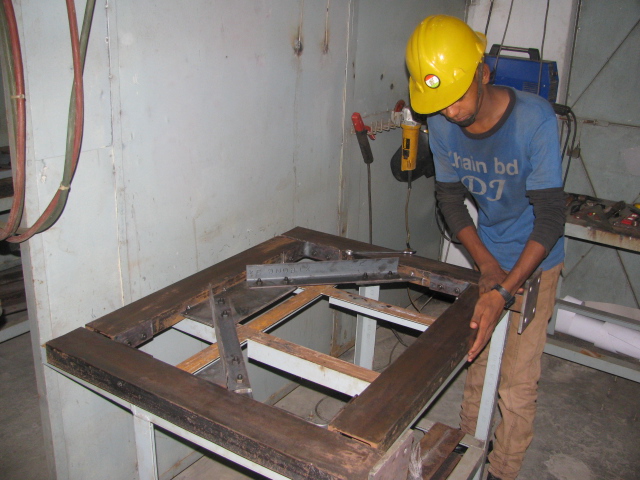
“Structural steel fitting” refers to the process of assembling and positioning structural steel components (such as beams, columns, braces, and plates) to form the framework of buildings, bridges, or other structures before they are permanently joined, typically through welding or bolting. It is a critical stage in steel construction that ensures components align properly and the structure meets design specifications.
Key Aspects of Structural Steel Fitting:
1. Steel Components Involved
Beams (I-beams, H-beams)
Columns
Angles
Channels
Plates
Bracings
2. Processes in Steel Fitting
Layout and Marking: Translating blueprints onto the physical steel to indicate cuts, holes, or join points.
Cutting and Drilling: Preparing the steel members for fitting.
Positioning and Aligning: Using hoists, cranes, or jacks to place steel members in their proper location.
Tack Welding or Clamping: Temporarily holding pieces together for inspection and final welding.
Bolting: In some cases, parts are connected using high-strength bolts instead of welding.
3. Tools and Equipment Used
Measuring tools (tape measures, laser levels, squares)
Magnetic levels and plumb bobs
Welding machines and electrodes
Hydraulic jacks or come-alongs
Torque wrenches and impact guns
Grinders and magnetic drills
4. Safety Considerations
Proper PPE (helmet, gloves, harness, boots, eye protection)
Rigging safety during lifting and placement
Awareness of hot work hazards (welding/cutting)
Fall protection for elevated work
5. Skills Required
Blueprint reading
Welding and cutting proficiency
Rigging and hoisting techniques
Math and geometry knowledge for accurate fitting
Familiarity with construction codes and tolerances
PLEASE CONTACT US FOR FURTHER INFORMATION
SB Group
- Beroon, Jamgora, Ashulia, Dhaka, Bangladesh.
- Email: fondaglobaltestcenter@gmail.com
- Phone: +880255035512