Water proofing (WP)
ChatGPT said:
“Waterproofing (WP)” refers to the process of making a structure or surface resistant to the penetration of water. It’s commonly used in construction to protect buildings and infrastructure from water damage. Here’s a quick breakdown:
Types of Waterproofing
Liquid Waterproofing Membrane
Applied by brush, roller, or spray.
Flexible and seamless.
Common materials: polyurethane, acrylic, bitumen.
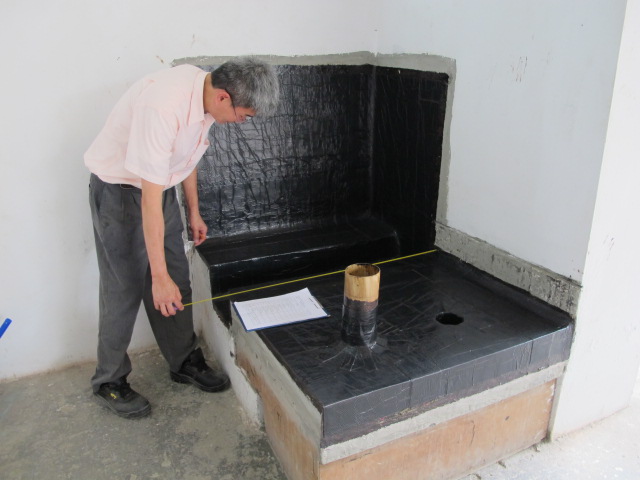
Bituminous Waterproofing
Made from bitumen-based materials.
Can be applied as membranes (torch-on) or coatings.
Ideal for foundations, roofs, and basements.
Cementitious Waterproofing
Easy to apply (brush-on).
Often used in internal wet areas (e.g., bathrooms).
Rigid – less suitable for surfaces with movement.
Sheet Membrane Waterproofing
Pre-formed sheets (e.g., HDPE, PVC, rubber).
Laid out and sealed on site.
Offers consistent thickness and performance.
Crystalline Waterproofing
Penetrates concrete to form crystals that block water paths.
Works well for underground structures and tanks.
Injection Grouting
Used for repairing leaks or cracks.
Materials like polyurethane or epoxy are injected into voids.
Common Applications
Roofs – Prevent leakage from rain.
Basements – Stop groundwater ingress.
Bathrooms & Wet Areas – Protect internal spaces.
Balconies & Terraces – Exposed areas prone to water pooling.
Water Tanks & Swimming Pools – Ensure water containment.
Importance of Waterproofing
Prevents structural damage.
Stops mold growth and health issues.
Increases building lifespan.
Reduces maintenance costs.
PLEASE CONTACT US FOR FURTHER INFORMATION
SB Group
- Beroon, Jamgora, Ashulia, Dhaka, Bangladesh.
- Email: fondaglobaltestcenter@gmail.com
- Phone: +880255035512