Electrical Wiring installation
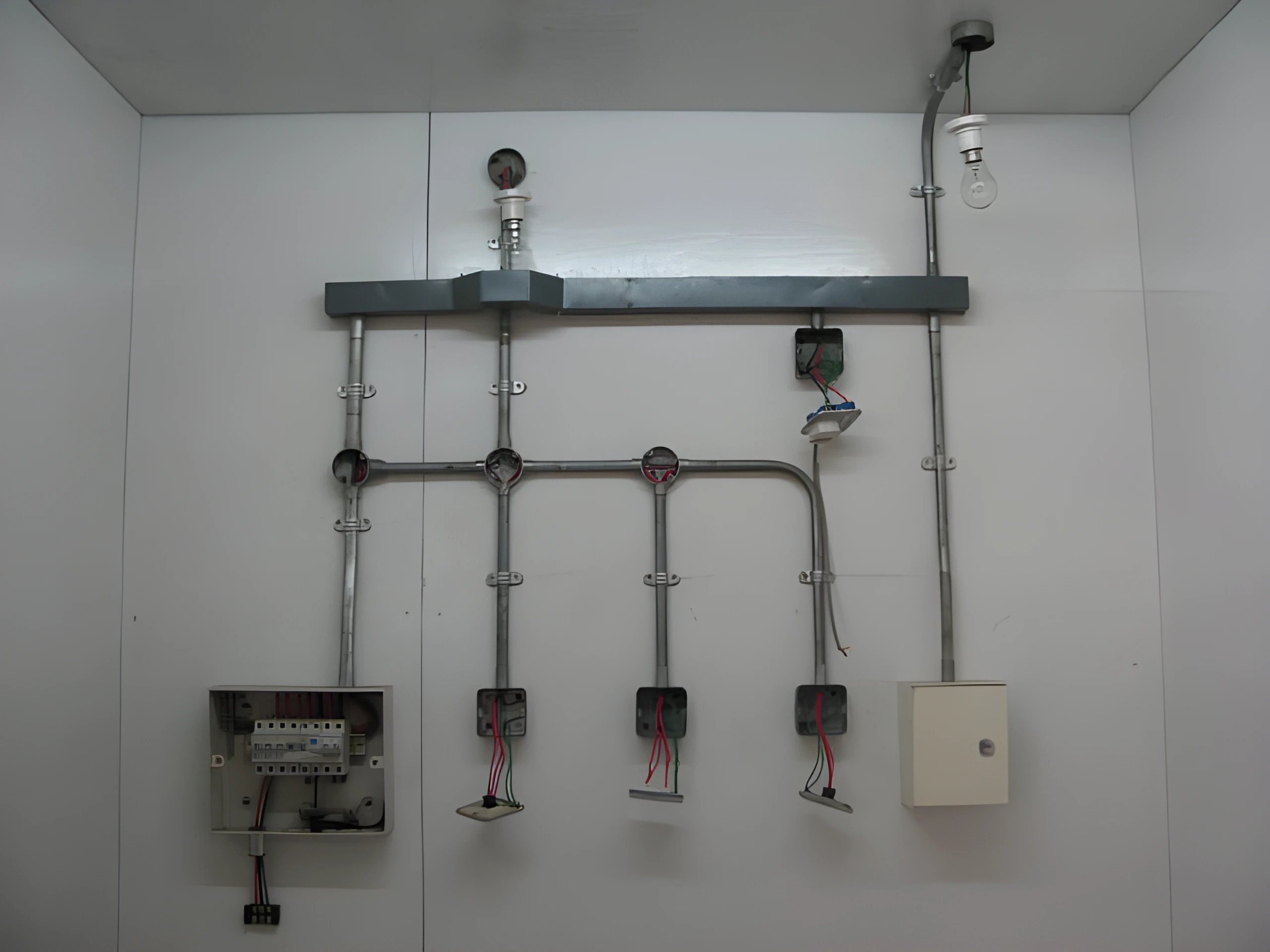
Electrical wiring installation involves setting up the electrical system in a building or structure to safely and effectively deliver power to outlets, switches, lighting fixtures, and appliances. Here’s a general guide on how electrical wiring installation is done, typically in residential or light commercial settings:
⚠️ Important:
Electrical wiring should be done by a licensed electrician or under their supervision. Mistakes can result in fire hazards, electrocution, or violation of local electrical codes.
🔧 Basic Tools & Materials
Tools:
Wire cutters/strippers
Pliers
Voltage tester
Screwdrivers
Drill
Fish tape
Materials:
Electrical cables (e.g., NM-B “Romex”, or conduit wiring)
Junction boxes
Switches and outlets
Circuit breakers
Electrical panel
Cable clamps and wire nuts
Electrical tape
🔌 Step-by-Step Electrical Wiring Installation
1. Plan the Layout
Identify the locations of outlets, lights, switches, and the electrical panel.
Determine circuit requirements (amps, number of outlets per circuit).
Follow the local electrical code (e.g., NEC in the U.S.).
2. Install the Electrical Panel
Mount the main service panel or sub-panel.
Connect the grounding electrode system (ground rod or rebar in the foundation).
3. Run the Electrical Cables
Drill holes through studs/joists if needed.
Run NM cable or conduit wiring through the holes to boxes.
Leave at least 6 inches of extra wire inside boxes.
4. Install Electrical Boxes
Secure junction, outlet, and switch boxes at each location.
Make sure boxes are flush with drywall/plaster line.
5. Make Wire Connections
Strip insulation from wire ends.
Use wire nuts or push-in connectors to join wires.
Connect hot (black/red), neutral (white), and ground (bare/green) properly.
6. Connect to the Panel
Route each circuit into the panel.
Connect hot wires to circuit breakers.
Connect neutrals to the neutral bus bar.
Connect grounds to the ground bus bar.
7. Install Devices
Mount outlets, switches, and light fixtures.
Use faceplates to cover devices.
8. Test the Installation
Use a voltage tester or multimeter to check each circuit.
Verify proper grounding and polarity.
Turn on breakers one at a time to test circuits.
🧯 Safety Tips
Always turn off power at the main panel before working on wiring.
Use GFCI outlets in kitchens, bathrooms, and outdoors.
Avoid overloading circuits.
Label all circuits at the panel.
PLEASE CONTACT US FOR FURTHER INFORMATION
SB Group
- Beroon, Jamgora, Ashulia, Dhaka, Bangladesh.
- Email: fondaglobaltestcenter@gmail.com
- Phone: +880255035512